
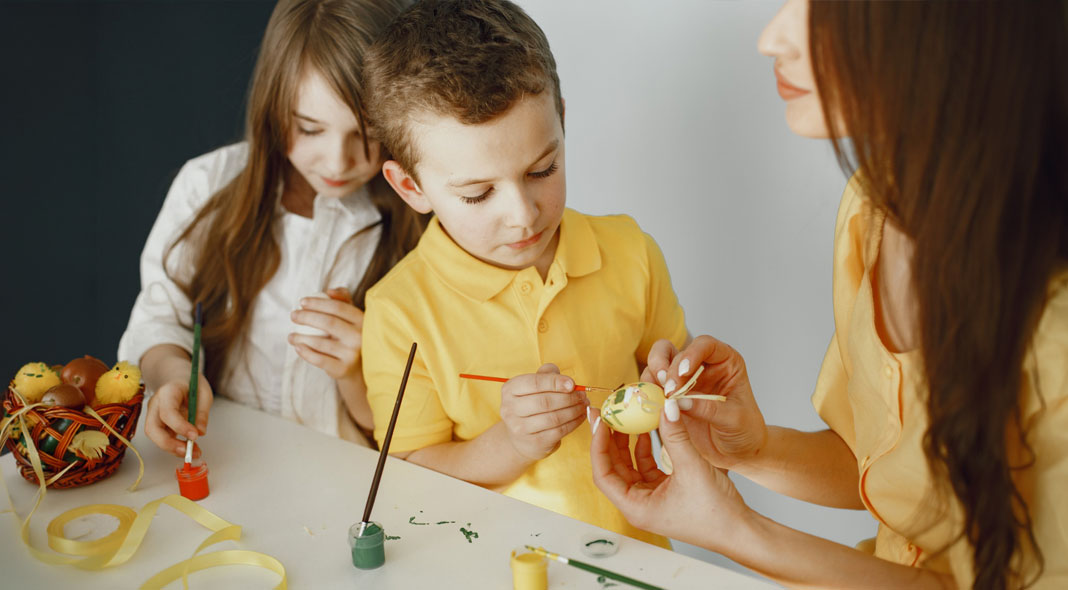
Creative activities are not just “extra” time away from academic learning — they are a vital part of it. Art, coloring, storytelling, and hands-on projects actively strengthen the brain and improve children’s ability to focus and absorb information.
Creativity Strengthens Brain Development
When children engage in creative tasks, both sides of the brain work together. Imagination, problem-solving, planning, and decision-making are all activated during artistic activities.
This strengthens neural connections and improves cognitive flexibility — the ability to think in new and adaptable ways.
Creativity Improves Attention Span
Creative tasks naturally encourage children to slow down and focus. Whether coloring a detailed page or building a craft project, kids learn to concentrate on completing what they started.
Over time, this improves their attention span in academic settings as well.
Learning Becomes Engaging and Memorable
Children learn best when they are emotionally engaged. Creative activities make learning interactive and enjoyable, which increases retention.
For example, coloring a page about animals while learning their names helps children connect information visually and emotionally.
Encourages Independent Thinking
Creative tasks allow children to make choices: which color to use, how to design something, how to solve a small artistic challenge. These decisions build confidence and critical thinking skills.
Instead of memorizing information, children begin to explore and experiment.
Builds Confidence Through Achievement
Finishing a creative project gives children a sense of accomplishment. That feeling of “I did it!” builds self-esteem and motivation.
Confident learners are more willing to try new challenges and persist when something feels difficult.
Creative activities are not distractions from learning — they are powerful learning tools. By blending creativity with education, we help children develop focus, confidence, and a lifelong love of learning.