
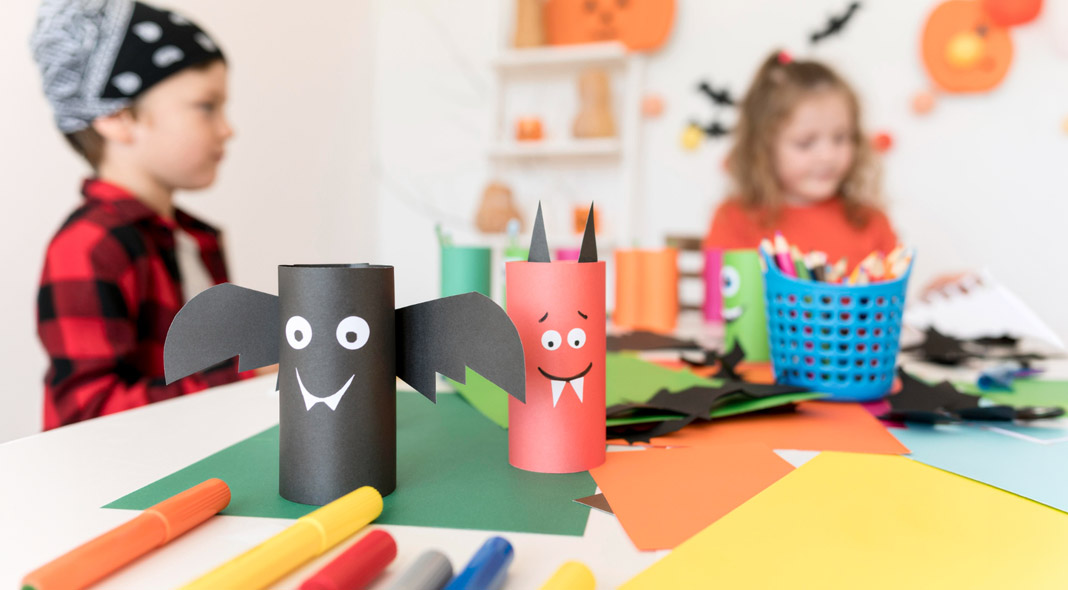
Art and creativity are often viewed as secondary to traditional academic subjects, but they play a fundamental role in a child’s development. Creative expression strengthens skills that support success in all areas of learning.
Creativity Encourages Flexible Thinking
Art allows children to explore different solutions and perspectives. When drawing, coloring, or crafting, there are countless ways to approach a task.
This flexibility strengthens problem-solving skills and encourages innovative thinking — abilities that are valuable in every subject.
Emotional Expression and Confidence
Creative activities give children a safe space to express emotions. Through colors, shapes, and designs, they communicate feelings that might be difficult to verbalize.
As children create and complete projects, they build confidence in their abilities and trust in their ideas.
Supports Academic Growth
Research shows that creative engagement improves memory, attention, and comprehension. Art integrates visual learning, which helps children retain information more effectively.
For example, illustrating a story can improve reading comprehension, and drawing geometric shapes reinforces math concepts.
Builds Collaboration Skills
Group art projects teach teamwork, communication, and empathy. Children learn to share ideas, listen to others, and respect different perspectives.
These social skills are just as important as academic achievement.
Develops Fine Motor and Coordination Skills
From holding a paintbrush to cutting shapes, creative activities improve hand-eye coordination and fine motor control — essential for writing and everyday tasks.
Art and creativity are not extras — they are essential foundations of a well-rounded education. When children are encouraged to create, imagine, and explore, they develop not only academic skills but also confidence, resilience, and a lifelong love of learning.